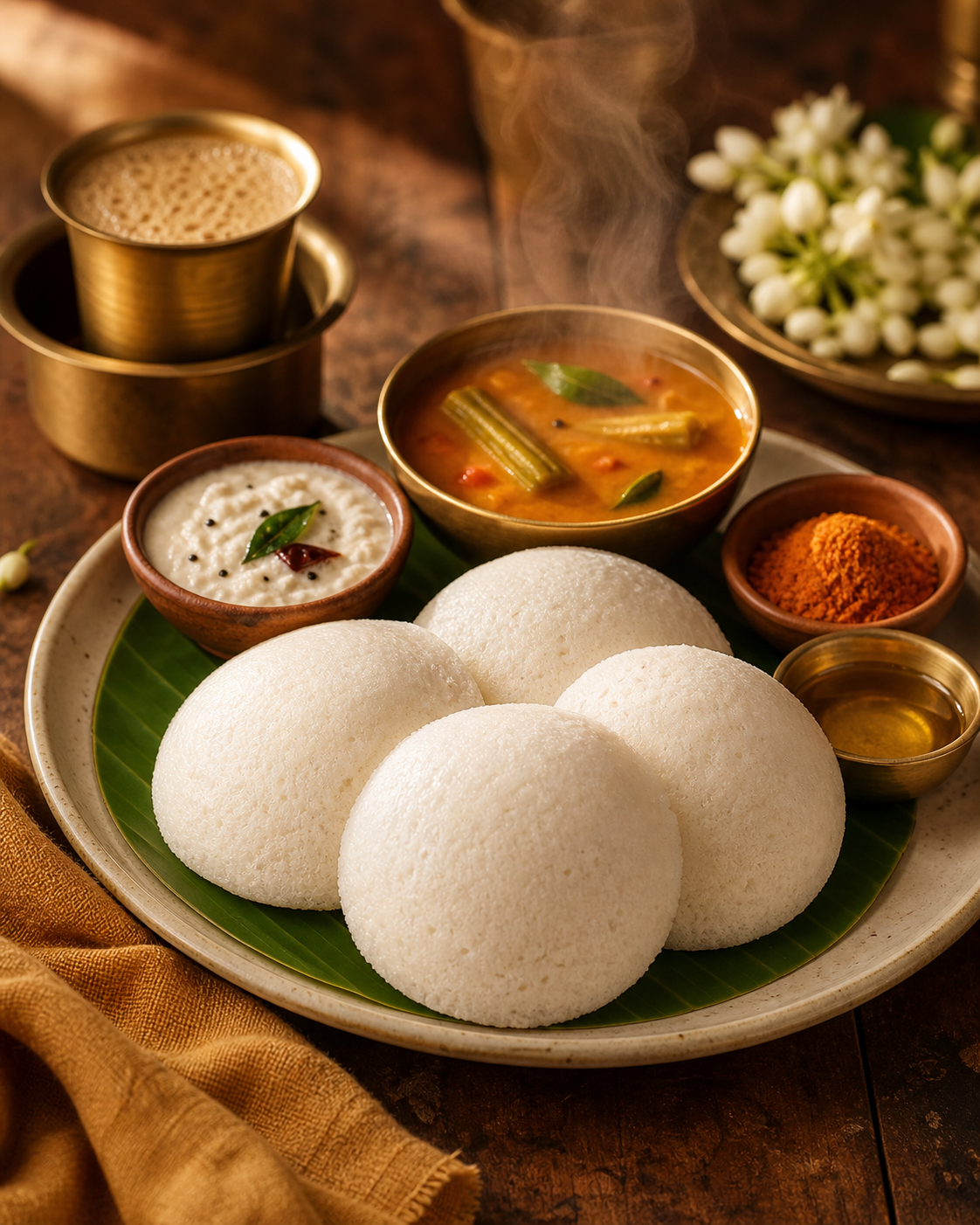
The Idli Project
Soft, steamed, slow. A small archive of the regional and modern idlis of South India and the Konkan coast - with histories, recipes, and the places they came from.
One thousand years, three ingredients.
The earliest mentions of an idli-like cake - iddalige in 10th-century Kannada, iddarika in 12th-century Sanskrit - describe a dish made only of black gram, without rice, fermentation or steaming. The modern idli, built on all three, took until somewhere between the 10th and 13th centuries to come together.
Read the historyFeatured idlis.
Regional & Traditional
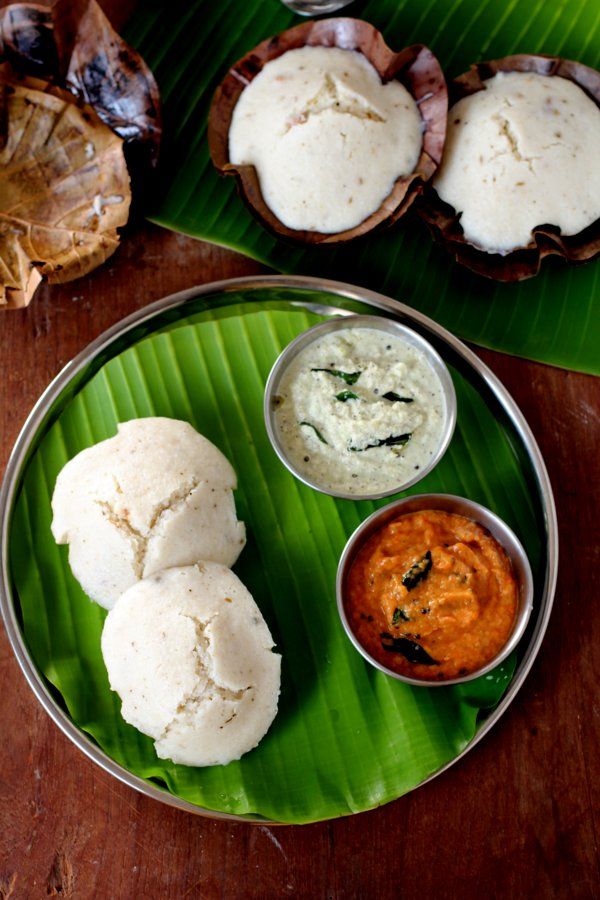
Kanchipuram Idli
A temple-town idli laced with crushed pepper, cumin and ghee - slow-steamed and slightly dense.
Regional & Traditional
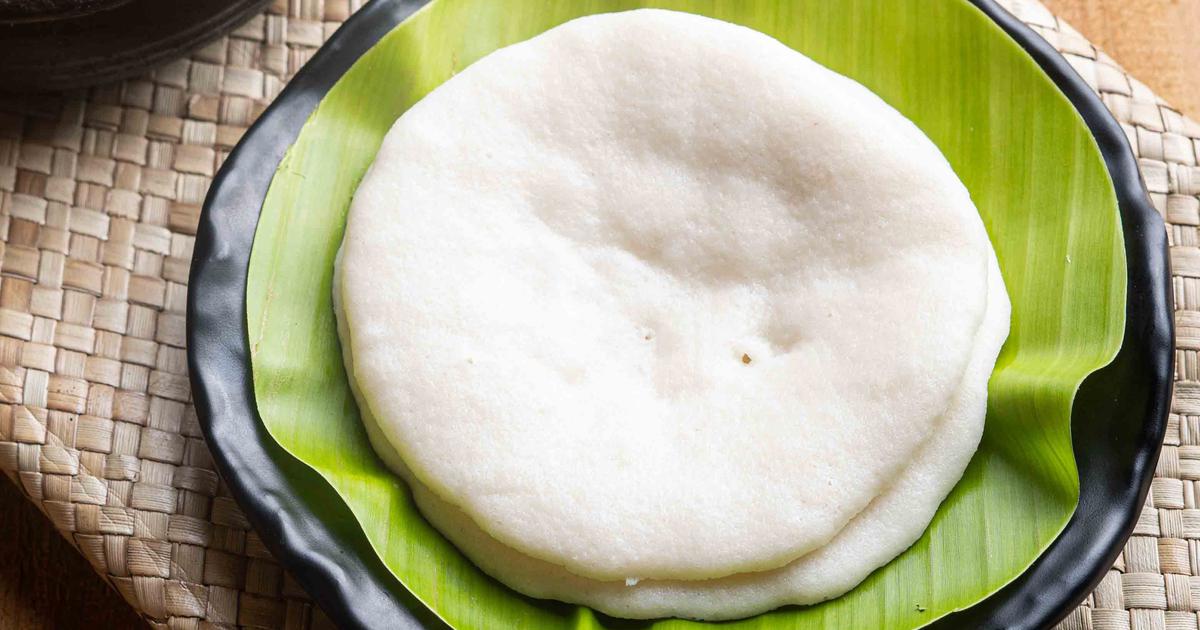
Ramassery Idli
A flat, feathery idli steamed over wet muslin and tamarind-wood fire - a 200-year tradition kept alive by a handful of Mudaliar families.
Regional & Traditional
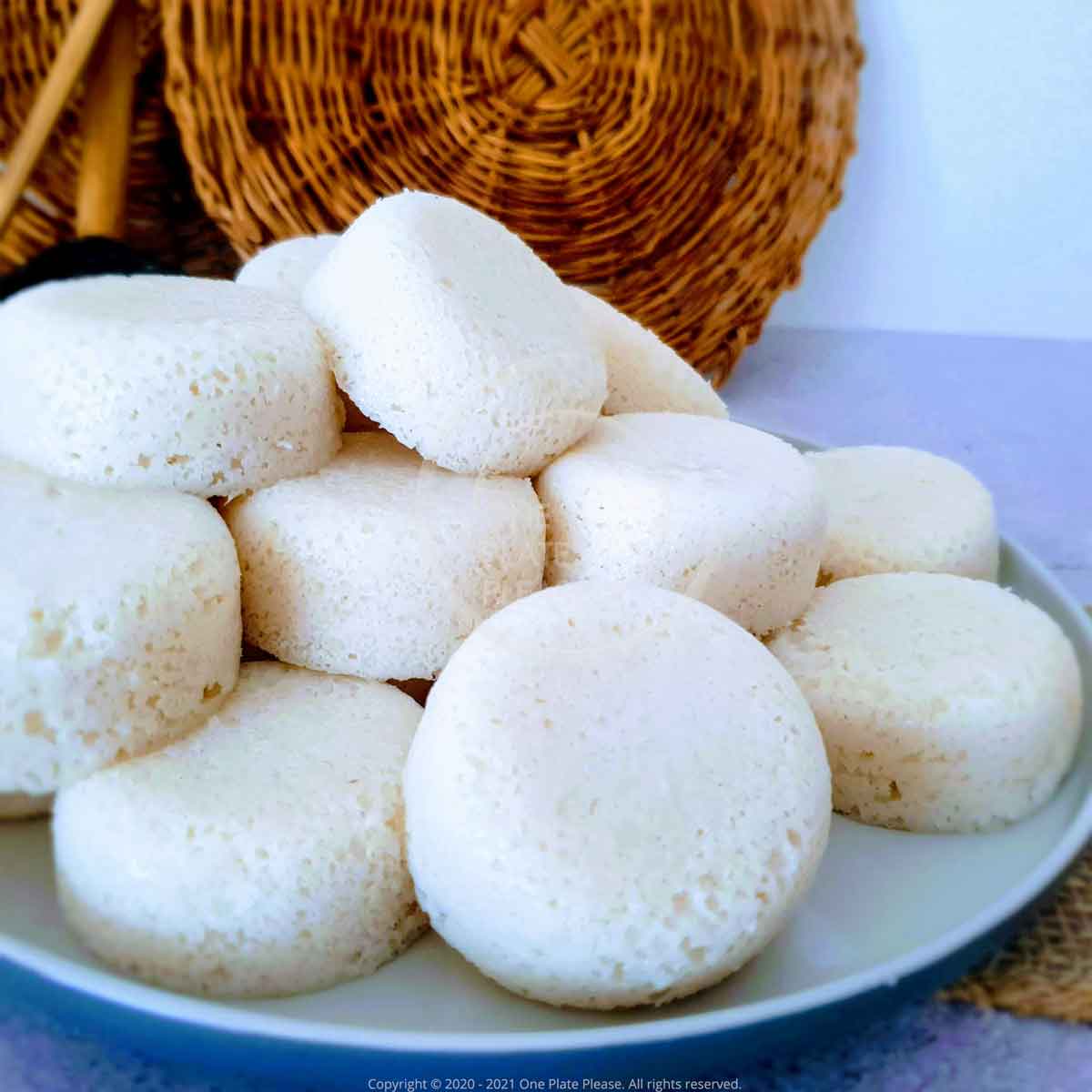
Sanna
A pillowy Goan steamed cake risen with palm toddy - coconut-forward, faintly sweet, and built for sorpotel.
Ingredient Innovations
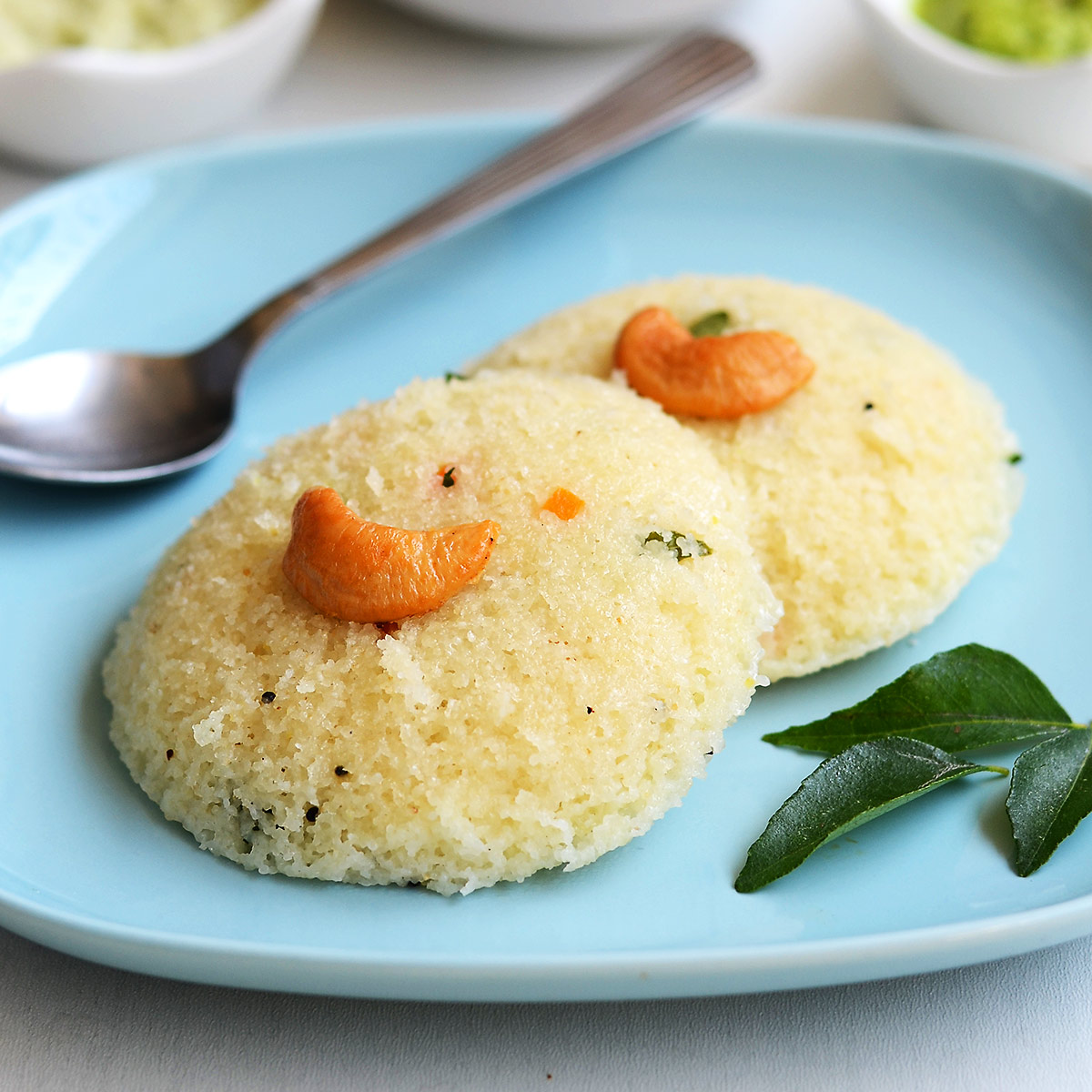
Rava Idli
A WWII-rationing invention from MTR Bengaluru - semolina in place of rice, ready in an hour, no fermentation needed.
Regional & Traditional
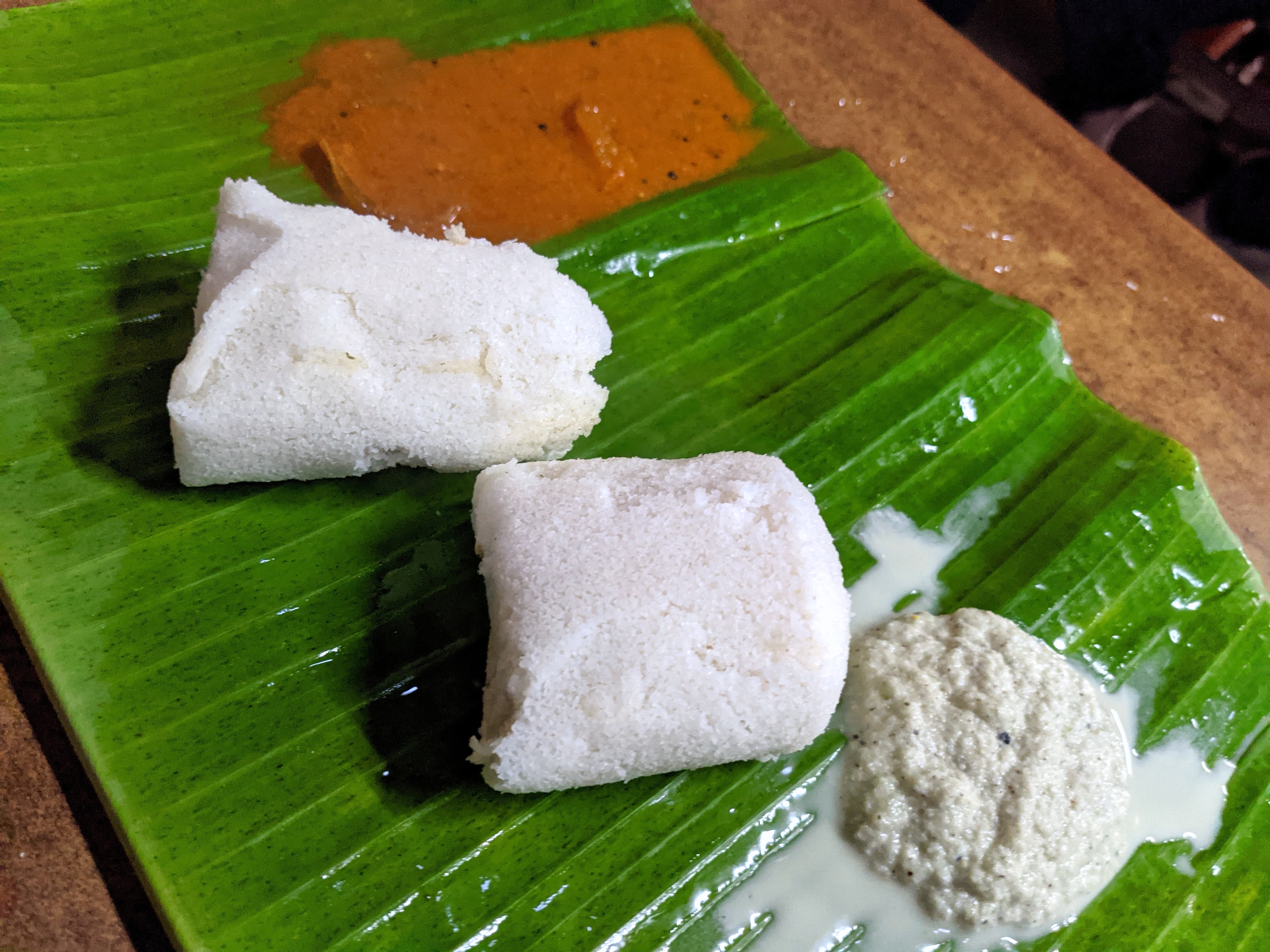
Kotte Kadubu
Idli batter steamed in folded jackfruit-leaf cups - the leaf perfumes the cake and replaces the moulds entirely.
Modern & Fusion
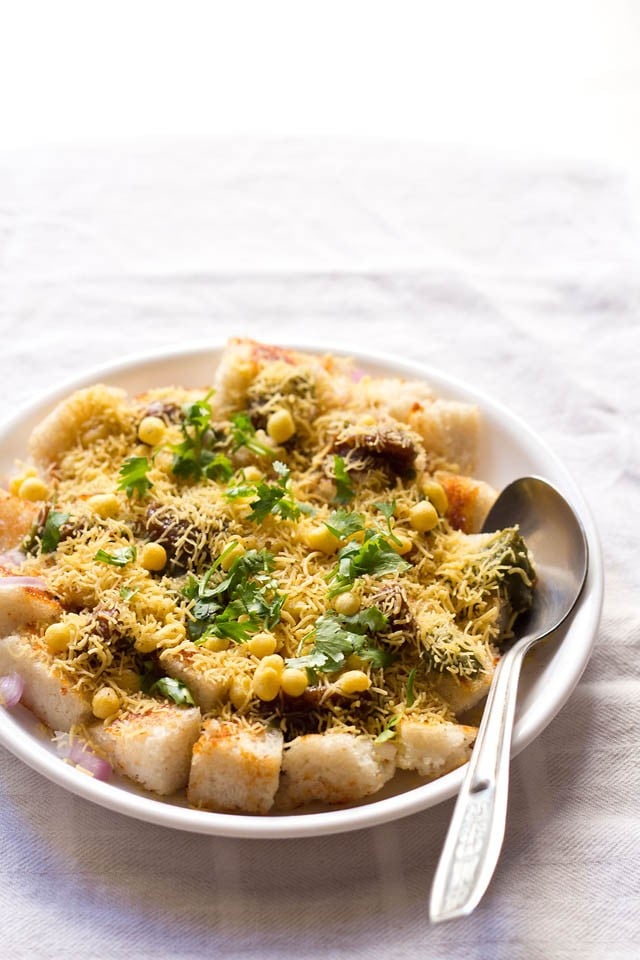
Idli Chaat
Pan-fried idli pieces dressed with green chutney, tamarind chutney, sev and chaat masala - South India's leftover idli meets North India's chaat.
Four ways the idli has evolved.
Heritage idlis tied to a temple, a village, or a steaming technique unique to one place.
Built on a different grain or pulse - millet, semolina, oats, sago, quinoa.
Seasonal sweet and savoury cakes from Konkan households, often steamed in turmeric or teak leaves.
Modern café inventions and the leftover-day classics that put yesterday's idlis back on the table.
See the regions.
15 idlis in this archive can be traced back to a specific town or coastal stretch - from Kanchipuram to Ramassery, Bidadi to Mangalore. Open the map.
Open the map